The Ultimate FAQ on Fotona 4D Laser Facial (TimeWalker) in Encino, CA
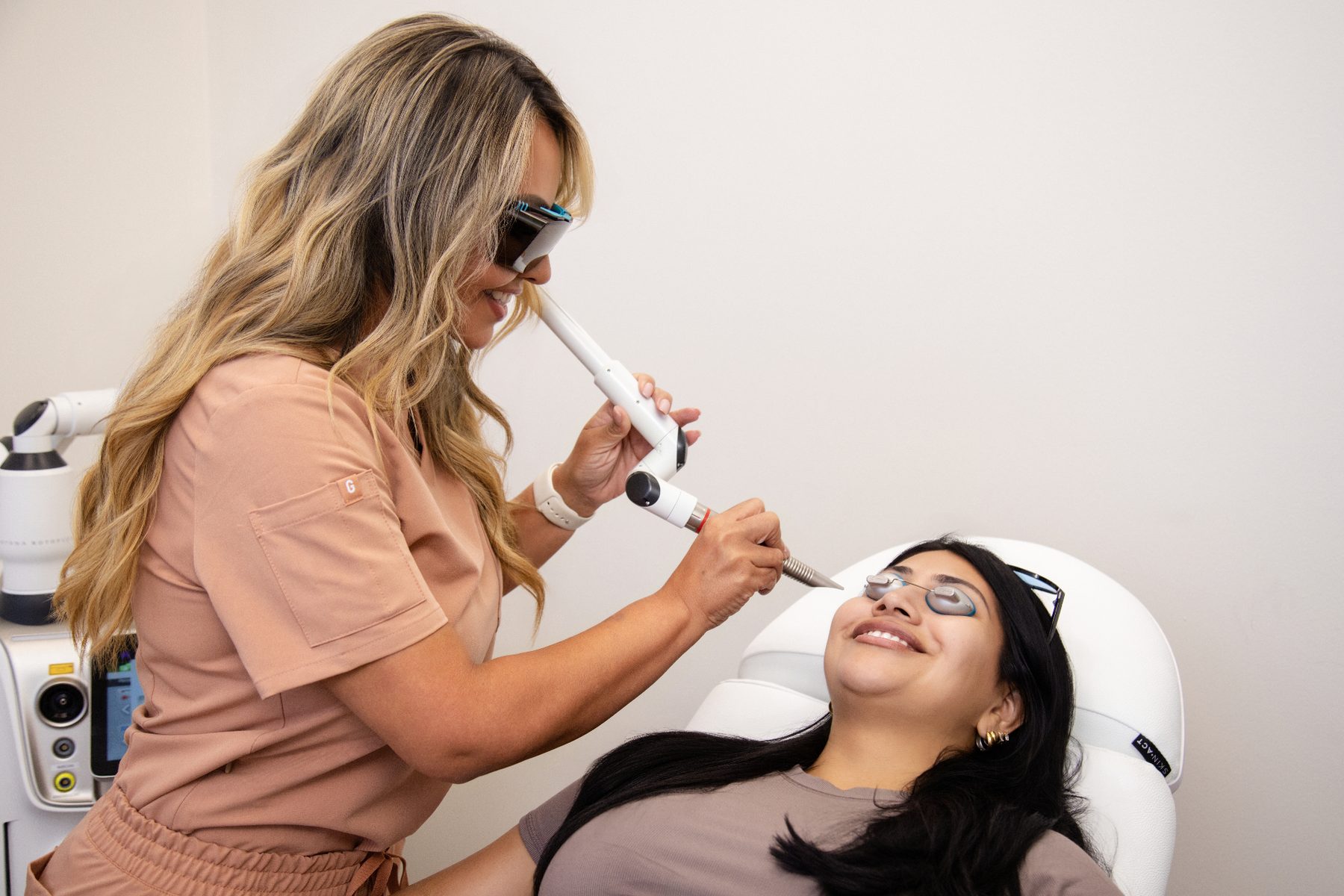
A Fotona 4D Laser Facial has earned a loyal following for one simple reason: it can improve tone, texture, laxity, and overall skin quality without asking most patients to disappear from work or social life for weeks. In a place like Encino, where people want visible results but rarely want a dramatic recovery period, that balance matters.
Still, the name causes confusion. Patients hear “4D,” “Fotona,” and “TimeWalker” and understandably wonder whether these are different treatments, whether it is a resurfacing laser, whether it hurts, and whether it is actually worth the investment. Those are the right questions to ask. A good consultation should slow things down and separate marketing language from what the treatment really does in skin.
This guide walks through the most common questions I hear about the Fotona 4D Laser Facial (TimeWalker) Encino, CA patients often ask before booking.
What exactly is a Fotona 4D Laser Facial?
Fotona 4D is a multi step laser treatment that uses two wavelengths, Er:YAG and Nd:YAG, in a sequence designed to treat different layers of tissue. The treatment is often associated with the TimeWalker platform, which is one of Fotona’s advanced systems for delivering these protocols. If you hear someone refer to “Fotona 4D,” “TimeWalker Fotona 4D,” or a “Fotona 4D Laser Facial,” they are usually talking about the same family of treatment concepts, though settings and technique can vary from one provider to another.
The “4D” part refers to four treatment modes that target the skin from both inside and outside the mouth, along with superficial and deeper tissue heating externally. That internal component is one reason the treatment stands apart. Instead of relying only on surface work, it can also stimulate tissue tightening from within the oral cavity, especially around the nasolabial folds and lower face.
In practical terms, the treatment is designed to address early sagging, crepey texture, dullness, enlarged pores, fine lines, and mild loss of definition around the cheeks and jawline. It is not a surgical facelift and should never be presented that way. It is better understood as a collagen remodeling treatment with a skin quality bonus.
Why do people in Encino ask for this treatment specifically?
Encino patients tend to be well informed and very busy. They often want noticeable improvement without the kind of downtime that announces itself to the whole neighborhood. A treatment that can tighten, brighten, and refresh the skin with limited interruption to normal life naturally gets attention.
There is also a practical reason. Southern California sun exposure accumulates. Even diligent sunscreen users often arrive with a mix of concerns rather than a single issue. They might have a little pigment, a little laxity, a little roughness, and a little volume loss. Traditional treatments can be very good at addressing one of those concerns, but less efficient at tackling several at once. Fotona 4D appeals to people who want a broader rejuvenation strategy, especially when they are not ready for surgery and do not want to look overfilled.
How is TimeWalker different from older laser technology?
The biggest difference is not just the machine itself, but how precisely modern platforms can combine treatment modes and manage energy delivery. Older lasers often did one thing well. They resurfaced aggressively, tightened mildly, or targeted pigment specifically. TimeWalker protocols are designed to layer effects in a more strategic way.
That does not mean every newer treatment is automatically better. Sometimes an older, more aggressive resurfacing laser is still the right answer for deep etched lines or significant sun damage. The value of TimeWalker lies in versatility. It can be customized for someone who needs gentle collagen stimulation, for someone who wants more texture refinement, or for someone who is trying to maintain results after prior procedures.
Technique matters here. Two providers can own the same platform and produce very different outcomes. The machine is only part of the equation. Treatment planning, settings, number of passes, patient selection, and aftercare shape the final result.
What happens during the treatment?
A standard Fotona 4D session usually includes four phases. First, there is an intraoral step performed inside the mouth to heat tissue and stimulate collagen contraction in areas that influence the lower face and smile lines. Patients are often surprised by this part, mostly because they did not expect a facial treatment to involve the inside of the cheeks. It sounds stranger than it feels. Most people describe it as unusual but manageable.
After that, the provider typically moves to deeper external heating, then to a more superficial rejuvenation phase, and finally to a light polishing or resurfacing step, depending on the protocol chosen. The exact order can vary.
The sensation also varies by phase. Some passes feel warm and prickly. Others feel more like bursts of heat. The final superficial step may create a sandpapery sensation and leave the skin pink for a day or two. If stronger settings are used, recovery can be a bit longer.
A full appointment usually takes somewhere around 45 minutes to 90 minutes, depending on whether numbing cream is used, how large an area is treated, and whether the neck is included.
Does it hurt?
Most patients tolerate it well, but “comfortable” is relative. A person who breezes through injectables may still find heat based laser treatment intense. On the other hand, someone who dislikes needles often prefers laser because the discomfort is temporary and there is no injection involved unless numbing or nerve blocks are offered.
The intraoral phase can feel warm and tight, but it is not usually the hardest part. The external tightening passes tend to be the most noticeable because heat accumulates. The final resurfacing step may sting more superficially. Good providers adjust settings to the patient’s tolerance while still aiming for a meaningful endpoint.
If someone tells you it is totally painless, I would take that with caution. If someone tells you it is unbearable, I would also question whether the settings were appropriate or whether expectations were properly set. Most patients land in the middle. They feel it, they get through it, and they decide the trade-off is acceptable.
Who is a good candidate?
The ideal patient is usually someone with mild to moderate signs of aging who wants fresher, tighter looking skin but does not need or want surgery. Age matters less than tissue quality. I have seen excellent candidates in their thirties who are starting to notice laxity around the mouth, and in their fifties who want maintenance between larger procedures.
Good candidates often include people who want help with concerns such as:
- fine lines around the mouth and eyes
- early cheek or jawline laxity
- rough texture or enlarged pores
- dullness and uneven skin tone
- mild acne scarring or crepey skin
The less ideal candidate is someone expecting a dramatic lift, substantial fat reduction, or correction of deep folds caused mainly by volume loss. Laser can improve collagen and skin texture, but it cannot replace bone support, restore significant lost fat, or recreate a surgical lift.
Is it safe for all skin tones?
This is an important question, especially in a diverse area like Encino. Fotona systems can be used on a range of skin tones, but safety depends on the wavelength, settings, the specific treatment phase, and the experience of the provider. Deeper skin tones require more thoughtful planning because excess heat or overly aggressive resurfacing increases the risk of post inflammatory hyperpigmentation.
That risk does not automatically rule someone out. It simply means the protocol may need adjustment. Sometimes that means fewer aggressive resurfacing passes. Sometimes it means spacing treatments farther apart, using pre treatment skincare, or choosing a more conservative endpoint.
A strong consultation should include discussion of your Fitzpatrick skin type, tanning habits, recent sun exposure, prior pigmentation issues, and history of keloids or abnormal healing. If that conversation never happens, the consultation is not complete.
What does the skin look like right after?
Right after treatment, most patients look pink to red, similar to a moderate sunburn. There can be mild puffiness, especially around the eyes and mouth. The skin may feel warm for a few hours and dry or rough for a couple of days.
The amount of visible downtime depends heavily on the final resurfacing phase. Some treatments are done more gently, allowing people to return to work the next day with a little redness and perhaps some makeup after an appropriate interval. Others are intentionally more aggressive because the patient wants a stronger texture result, and that can mean several days of redness and a bronzed or slightly rough appearance.
In real life, many patients fall into a two to four day recovery window for social comfort, though they are not necessarily medically incapacitated during that time. They can function, they just may not want close-up lunch meetings the next morning.
How many sessions do most people need?
One treatment can absolutely create a visible improvement, especially in brightness and early tightening. That said, most people get the best results from a series. Three sessions spaced several weeks apart is a common approach, though not a universal rule.
Collagen remodeling is gradual. Skin does not rebuild itself overnight just because heat was applied once. The first session often gives a nice reset. The second and third tend to build on that foundation. Maintenance treatments then help preserve momentum.
The right number depends on age, baseline laxity, skin quality, lifestyle, and how aggressive the provider chooses to be in each session. A patient in her late thirties with mild changes may be thrilled after one or two treatments. A patient in her sixties with more laxity may need a series plus other modalities to reach her goal.
When will I see results, and how long do they last?
There are two timelines. The first is the immediate glow. Many people notice fresher looking skin within days once the initial redness settles. The second is the collagen timeline. Tightening and texture improvement continue to evolve over the next several weeks and often into the two to three month range.
Longevity depends on age and habits. A patient who wears sunscreen, avoids smoking, uses a sensible skincare routine, and maintains treatment periodically will usually keep results longer than someone who has heavy sun exposure and no maintenance plan. It is reasonable to think in terms of months rather than permanent correction.
This is one area where expectations can go off track. If someone is hoping for a one time treatment that permanently stops aging, no energy device can honestly promise that. Good skin is usually built through a plan, not a single appointment.
Is Fotona 4D better than microneedling, RF microneedling, or fractional resurfacing?
“Better” depends on the target.
If the main issue is early laxity with a desire for minimal downtime, Fotona 4D often performs well. If acne scarring is the leading concern, microneedling or RF microneedling may be stronger contenders, depending on scar type and skin tone. If deep wrinkles and advanced sun damage are the primary problem, a more aggressive fractional resurfacing laser may produce a more dramatic texture change, though with more downtime.
One of the most honest ways to compare them is by trade-off. Fotona 4D tends to offer a nice middle path. It can improve several issues at once, but it may not be the single strongest option for one severe issue. Patients who understand that are usually the happiest with it.
I often tell people to think of treatment selection like choosing shoes for the day. Running shoes are not better than dress shoes in the abstract. They are better if the day involves a run. The same logic applies to lasers.
Can it replace fillers or Botox?
Not really, though it can reduce how much of either someone may want.
Botox relaxes muscle movement that causes expression lines. Fotona 4D does not do that. Fillers restore volume and support in areas that have hollowed or descended. Fotona 4D does not add volume. What it can do is improve the skin envelope around those structures. Skin that is tighter, smoother, and more reflective often needs less correction elsewhere to look rested.
Some of the best non surgical plans combine treatments thoughtfully. For example, a patient with smile lines may benefit from the intraoral tightening effect of Fotona 4D, a small amount of cheek support with filler if volume loss is contributing, and neuromodulator treatment if dynamic movement is deepening etched lines. That kind of layered planning usually looks more natural than trying to force one modality to do every job.
What should you do before and after the appointment?
Preparation and aftercare influence outcome more than many patients realize. Lasers are not isolated events. Skin condition on the day of treatment matters.
A few basics generally help:
- avoid active tanning and significant sun exposure before treatment
- pause irritating skincare if your provider advises it, especially strong retinoids or acids
- come with clean skin and disclose cold sore history, recent procedures, and medications
- follow post treatment instructions closely, especially around sun protection and heat exposure
- do not judge the final result while the skin is still red, dry, or slightly swollen
One practical observation from clinic life: patients who “freestyle” aftercare often create problems that were avoidable. They scrub, exfoliate early, sit in a steam room, or test five products from the bathroom cabinet because their skin feels dry. Simplicity usually wins during recovery.
Are there risks or side effects?
Yes, and they should be discussed plainly. Common short term effects include redness, swelling, dryness, rough texture, and temporary sensitivity. Less common issues include prolonged redness, acne flares, cold sore reactivation, temporary pigmentation changes, and in rare cases blistering or scarring.
Risk rises when the wrong patient is treated, aftercare is ignored, recent tanning is not disclosed, or energy settings are poorly chosen. It also rises when someone is chasing a dramatic result from a treatment category that is better suited to moderate rejuvenation.
A careful provider screens for medical history, healing tendencies, isotretinoin history when relevant, active infections, and skin barrier issues. Those questions are not paperwork filler. They directly affect safety.
How much does Fotona 4D usually cost in Encino?
Pricing varies by provider experience, location, treatment depth, and whether the face alone or face plus neck are treated. A single session often falls into a premium aesthetic price range because it combines several laser steps in one visit. Series pricing may reduce the per session cost somewhat.
The most useful way to think about price is not simply the cheapest quote. Ask Fotona 4D Laser Facial (TimeWalker) Encino, CA what is actually included. Some offices market a “Fotona facial” that is a lighter version and less comprehensive than a true 4D protocol. Others include numbing, post care products, or neck treatment, which changes the value equation.
If a quote seems dramatically lower than others in Encino, it is worth clarifying whether you are getting the full treatment, whether the device is actually a Fotona platform, and how much experience the operator has. A bargain is less appealing if it buys you weak settings and underwhelming results.
What should you ask at a consultation?
A strong consultation tells you whether the provider is thoughtful, not just whether they own the device. Listen for nuance. Good clinicians rarely promise that one treatment fixes every concern.
Ask how they tailor the protocol to your skin type and goals. Ask how much downtime they expect for the specific settings they plan to use. Ask what results are realistic after one treatment versus a series. Ask what they would choose instead if they were not picking Fotona 4D for you. That last question is especially revealing. If every patient is somehow the perfect candidate for the same device, skepticism is healthy.
You should also ask who will perform the treatment. In some practices, the consultation is with one person and the procedure with another. That is not necessarily a problem, but you deserve clarity.
Who tends to be happiest with their results?
The happiest patients are usually the ones with realistic goals, mild to moderate aging changes, and a willingness to build results over time. They appreciate refinement rather than transformation. They want better skin quality, a bit more firmness, and a fresher look Fotona 4D Laser Facial (TimeWalker) Encino, CA that does not invite comments about “having something done.”
Patients who are less satisfied often fall into one of two groups. The first expected surgery level lifting from a non surgical treatment. The second really needed a different tool, such as filler, surgery, pigment focused treatment, or a more aggressive resurfacing approach.
That is why the phrase Fotona 4D Laser Facial (TimeWalker) Encino, CA should never be treated like a magic keyword in a search bar. It is a useful treatment, sometimes an excellent one, but only when it matches the anatomy, skin type, and priorities of the person in the chair.
The bottom line for someone considering Fotona 4D in Encino
For the right patient, Fotona 4D offers a compelling mix of collagen stimulation, subtle tightening, and skin renewal with relatively manageable downtime. Its real strength is versatility. It can touch several aspects of aging at once, especially in patients who want a polished, rested look without crossing into surgery.
Its limits matter just as much as its strengths. It does not replace a facelift, it does not create volume where volume is missing, and it is not the strongest possible answer for every texture or scar concern. But when chosen carefully and performed well, it can be one of the more elegant non surgical options available.
If you are exploring a Fotona 4D Laser Facial (TimeWalker) Encino, CA providers offer, the smartest move is not to ask whether the treatment is “worth it” in the abstract. Ask whether it is worth it for your skin, your schedule, your budget, and your goals. That is where the real answer lives.
OMNIA Wellness Center
16430 Ventura Blvd Ste 207, Encino, CA 91436
Phone: +1 818-386-8511
FAQ About Fotona 4D Laser Facial (TimeWalker) Encino, CA
What is a Fotona laser good for?
Fotona lasers support several different aesthetic protocols. The Fotona 4D facial uses two wavelengths and four treatment modes to address concerns such as fine lines, skin texture, and mild laxity. OMNIA Wellness Center offers the TimeWalker facial with an individual consultation. Suitability and likely improvement depend on the person's skin and goals; results are not guaranteed, and this treatment does not reproduce a surgical facelift.
How much does a Fotona laser treatment cost?
The cost depends on the treatment protocol, areas treated, number of sessions, and provider's assessment. Ask OMNIA Wellness Center for a current written quote that explains what is included, whether follow-up is included, and any proposed package terms. An individualized estimate is more useful than assuming that one advertised price applies to every facial treatment.
How much downtime is there after a Fotona laser procedure?
Recovery varies with the specific protocol and intensity. Fotona describes its 4D facial as having little to no downtime, but temporary redness or sensitivity can occur, and a stronger surface treatment can require more recovery. Ask the treating clinician what to expect from the planned settings, how to care for the skin afterward, and when to contact the clinic with concerns.