Fotona Laser Treatments Encino, CA: Safety, Results, and Recovery
Interest in laser procedures has grown for good reason. When they are chosen carefully and performed by qualified hands, they can improve texture, tone, laxity, acne scarring, vascular concerns, and certain gynecologic or oral tissue issues without the downtime of surgery. But laser treatment is not a single category. The machine matters, the settings matter, and the person using it matters just as much.
That is especially true with Fotona systems, which have earned a strong reputation because they are versatile and precise. Patients looking into Fotona Laser Treatments Encino, CA often come in with a mix of hope and caution. They have seen before-and-after photos. They have heard terms like non-ablative, resurfacing, collagen remodeling, and fractional treatment. What they really want to know is simpler: Is it safe for my skin, what kind of result can I reasonably expect, and what is recovery actually like day by day?
Those are the questions worth answering honestly.
Why Fotona gets so much attention
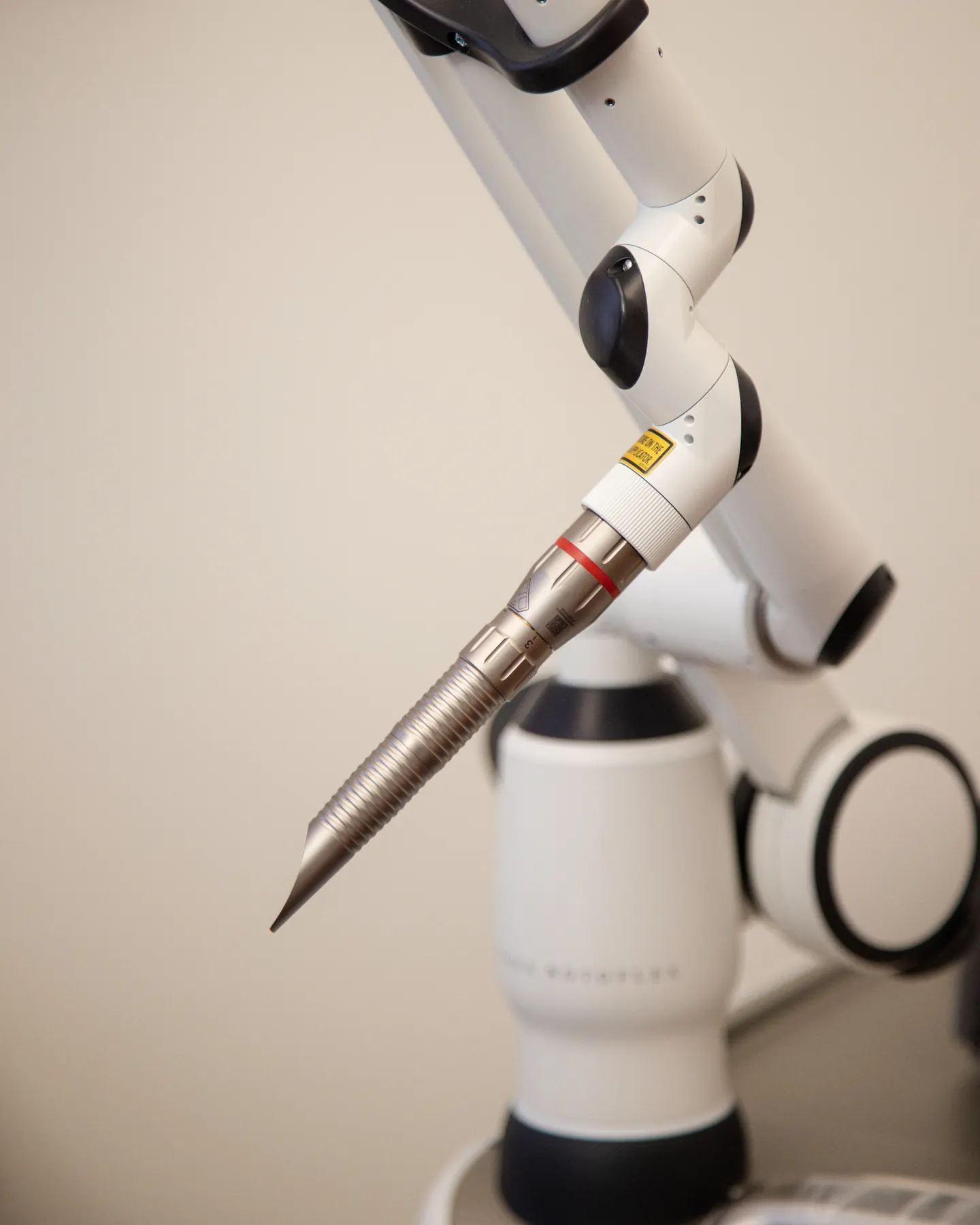
Fotona is not one single treatment. It is a platform used for different applications depending on the wavelength, handpiece, pulse mode, and treatment plan. In practical terms, that means the same brand may be used for mild rejuvenation in one patient and more aggressive resurfacing in another.
One reason experienced providers appreciate Fotona is the flexibility. Certain protocols can target superficial pigment and texture. Others go deeper to stimulate collagen and improve laxity. Some can work inside the mouth to support tightening around the lower face, which appeals to patients who want subtle lifting without incisions. There are also specialized uses outside aesthetics, but in cosmetic practice the most common concerns tend to be fine lines, enlarged pores, uneven texture, acne scarring, and mild to moderate skin laxity.
This range is a benefit, but it can also confuse patients. A consultation should translate laser language into plain English. If someone says they are getting a "Fotona treatment," that still leaves several important unanswered questions: which protocol, how aggressive, what endpoint, how many sessions, and what downtime?
Those specifics determine both safety and outcome.
Safety starts with the consultation, not the laser
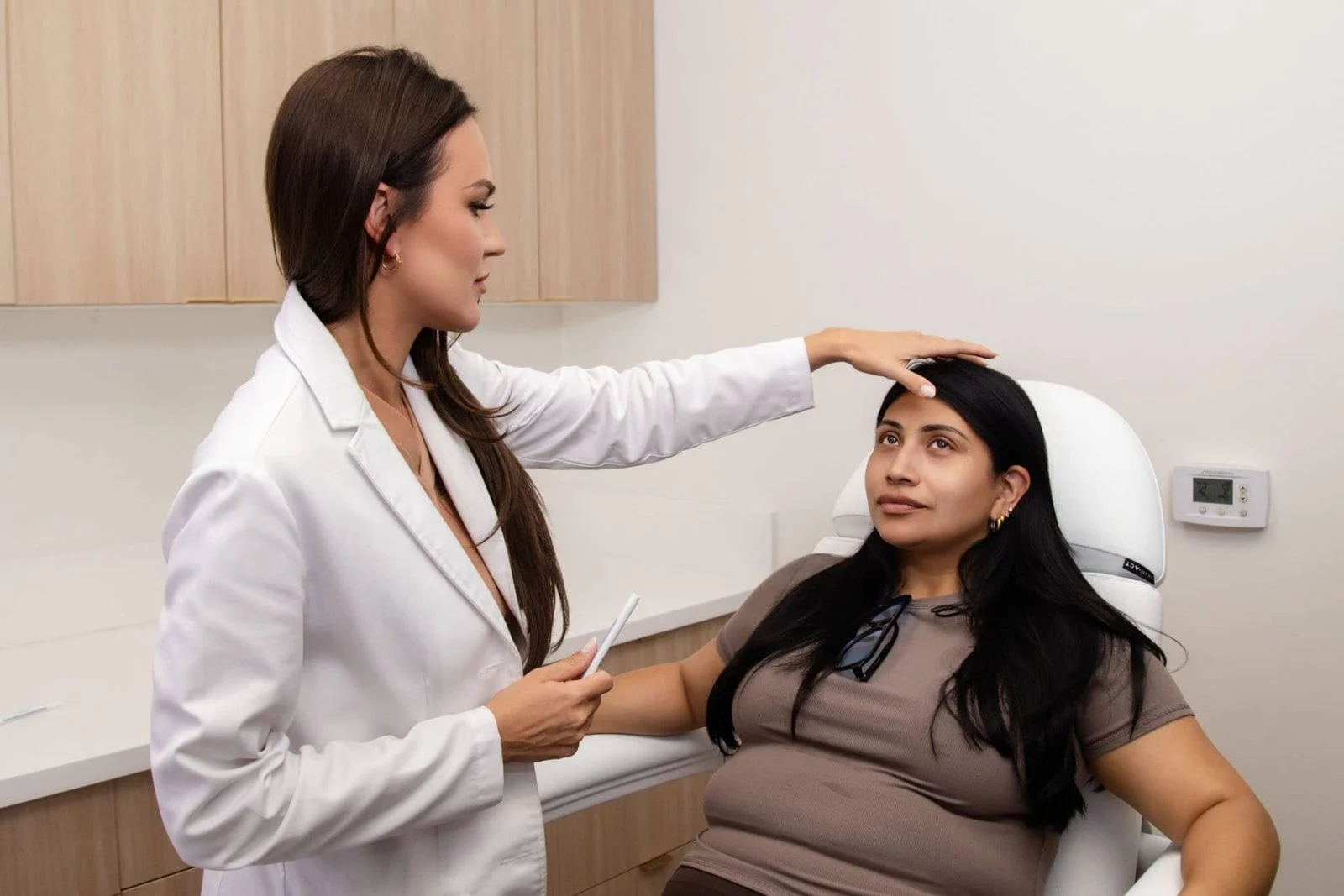
The safest laser appointment begins long before the device touches the skin. A careful consultation screens for factors that can increase risk, alter healing, or make a different treatment more appropriate.
Skin type matters. Darker skin tones often need more conservative settings, different treatment selection, or a staged approach to reduce the risk of post-inflammatory hyperpigmentation. Tanning, whether from sun exposure or self-tanner, complicates matters because the laser may "see" excess pigment and react unpredictably. Recent retinoid use, active acne flares, melasma, cold sore history, autoimmune conditions affecting healing, and medications that increase photosensitivity can all influence the plan.
The provider should also ask what bothers you most. That sounds obvious, but it is often skipped. A patient may say "I want smoother skin," when the real issue is deep boxcar acne scars that a light polishing treatment will not fix. Another may ask for tightening when volume loss is actually the bigger contributor to an aged appearance. Lasers are powerful tools, but they are not universal solutions.
A sound consultation often includes photography in consistent lighting, a review of prior procedures, and a frank conversation about timing. If someone has a major event in nine days, that may not be the moment for an aggressive resurfacing session, even if they are technically a candidate. The right treatment at the wrong time is still the wrong treatment.
What "safe" really means in laser practice
Patients often hear the word safe as if it means risk-free. No legitimate clinician should present it that way. Safety means the treatment is appropriate for the indication, the patient has been properly screened, the settings are chosen thoughtfully, and complications are minimized through technique and aftercare. It does not mean zero redness, zero swelling, zero discomfort, or zero chance of pigment changes.
With Fotona treatments, common short-term reactions can include heat, redness, mild swelling, a sandpapery feel, bronzing, dryness, and temporary sensitivity. These are expected in many protocols. More significant risks may include prolonged erythema, acne flare, milia, cold sore reactivation around the mouth, infection if the skin barrier is not cared for properly, and pigment changes, especially in patients prone to hyperpigmentation.
Scarring is uncommon but always part of the informed consent discussion for more intensive resurfacing. Eye protection is non-negotiable. That may sound basic, yet it is one of the clearest markers of a serious practice. The staff should explain exactly how the eyes will be protected and why.
A responsible provider also knows when not to treat. If the skin is irritated, freshly tanned, actively infected, or showing signs of compromised barrier function, postponing the procedure is often the best decision. Patients do not always love hearing that, especially if they arranged time off work, but cautious decision-making is part of good care.
Different Fotona approaches, different recovery profiles
A common source of confusion is that one person says a Fotona session felt like a warm facial with almost no downtime, while another describes several days of visible redness and peeling. Both may be telling the truth.
Some Fotona protocols are designed for gentle collagen stimulation with minimal interruption to daily life. Patients may be pink for a day or two, feel slightly puffy, and return to Fotona Laser Treatments Encino, CA work quickly with light makeup if their provider allows it. Other settings are meant to create more visible resurfacing. Those can involve pinpoint crusting, bronzing, peeling, and a longer social downtime.
This is why broad promises are not useful. Recovery depends on treatment intensity, body area, skin type, and the person’s healing response. Even among patients who receive the same protocol, one may look nearly normal after 48 hours while another remains flushed for five or six days.
In Encino, where many people want procedures that fit into busy professional and social calendars, setting expectations matters almost as much as choosing the device. Patients do best when they understand the likely appearance of their skin on day one, day three, and day seven, not just the final outcome six weeks later.
The results most patients can reasonably expect
The strongest consultations balance optimism with restraint. Lasers can produce meaningful change, but subtle improvement is still improvement. Texture may smooth out. Fine lines may soften. Pores may appear tighter. The skin can reflect light more evenly. Mild laxity may improve. Acne scars may look less etched. Pigment irregularity may fade depending on the type and depth.
What should raise concern are promises that sound too absolute. A provider should be careful with words like erase, permanent, scarless, or one-and-done.
Collagen remodeling takes time. Some patients notice an early glow within days as swelling and superficial exfoliation improve the skin’s surface. The more structural changes usually unfold over weeks to months. For that reason, the best results are often judged in a series rather than after a single session, especially for acne scarring and firmness.
I have seen one recurring misconception in laser consults: patients often compare a non-surgical laser result to the impact of a facelift, deep phenol peel, or major resurfacing done under very different circumstances. Fotona can deliver excellent rejuvenation in the right candidate, but the scale of change depends on the starting point. A 42-year-old with mild lower face laxity and early textural aging may be thrilled. A 67-year-old with significant sagging and deeper folds may see improvement, but not a surgical-level lift.
That is not a failure of the technology. It is a matter of matching treatment to anatomy.
Who tends to be happiest with Fotona treatments
The patients who report the highest satisfaction usually have three things in common. First, their concerns are well suited to the treatment. Second, they accept that improvement is often cumulative. Third, they are consistent with sun protection and aftercare.
A patient in Encino who spends frequent time outdoors and resumes full sun exposure immediately after treatment is more likely to struggle with prolonged redness or pigment issues. Southern California light is not forgiving. Even brief incidental exposure while driving or walking the dog can matter during healing. This is one reason local lifestyle should be part of the planning conversation when discussing Fotona Laser Treatments Encino, CA.
Patients also do well when they understand what the laser is not treating. If volume loss around the cheeks or under-eyes is the real driver of a tired appearance, no resurfacing treatment will fully correct that. If deep muscle laxity is advanced, energy-based treatment may help only modestly. The best outcomes come from accuracy, not from trying to force one tool to do everything.
What recovery feels like in real life
Recovery is usually less dramatic than many first-time patients fear, but it is more noticeable than social media clips often imply. Right after treatment, the skin may feel warm, tight, and flushed, similar to a strong sunburn. Swelling, if it occurs, is often most obvious the next morning, particularly around the eyes. Some patients describe the surface as rough or gritty for a few days as microscopic debris sheds. With stronger sessions, bronzing or a peppered appearance can develop before peeling.
The emotional side of recovery deserves mention too. Day one often feels reassuring because the skin is simply pink. Day three can be the point when patients become anxious if dryness, darkening, or texture changes appear more visible. That is often a normal part of the process, but it should be explained in advance. People handle downtime better when they know what is expected.
Work and social scheduling should be practical. A mild session may be manageable before a normal workweek. A more aggressive resurfacing treatment is better placed when a patient can tolerate several days of visible healing without pressure to look camera-ready. If someone is planning treatment before a wedding, reunion, or on-camera event, I usually prefer a generous buffer rather than a narrow window. Skin rarely reads the calendar.
Aftercare makes a bigger difference than most patients realize
Post-treatment care is not glamorous, but it influences comfort, healing speed, and final appearance. The skin barrier is temporarily stressed. The goal is to protect it, cool inflammation without overdoing it, and avoid the common mistakes that set healing back.
Here are the aftercare habits that matter most:
- Keep the skin clean and bland. Use a gentle cleanser and the exact moisturizer or occlusive your provider recommends.
- Avoid heat exposure for the first couple of days, including hot yoga, steam rooms, hard workouts, and very hot showers if your clinician advises against them.
- Practice strict sun avoidance and use sunscreen once your provider says it is appropriate, along with hats and shade.
- Do not pick peeling skin, scrub away rough texture, or restart active products too early.
- Contact the office if redness sharply worsens, pain escalates, or you notice blisters, pus, or signs of infection.
That list sounds simple, yet those are the points patients most often test. They feel better on day two, go for a run in the heat, use an exfoliating pad "just once," or sit by a sunny window without protection. Skin healing after lasers is not the time to improvise.
Common questions worth asking before you book
A consultation should leave you with clear, specific answers. If it does not, keep asking until it does. These questions help separate a polished sales pitch from a genuine treatment plan:
- Which Fotona protocol are you recommending for my concerns, and why this one instead of another laser or a non-laser option?
- What is the realistic range of downtime for my skin type and treatment intensity?
- How many sessions do you expect I may need for this concern?
- What side effects do you see most often in patients with skin like mine?
- What would make you delay treatment on the day of my appointment?
Notice what is missing from that list. Price is important, but it should not be the first or only lens. The cheapest laser session can become the most expensive decision if it leads to prolonged pigment issues or under-treatment that has to be redone elsewhere.
Special consideration for acne scars, pigmentation, and melasma
Not every skin concern behaves the same way under laser energy. Acne scars often improve best with a series and may require a combination strategy depending on whether the scars are rolling, boxcar, or ice-pick dominant. A patient with broad shallow textural irregularity may respond differently than someone with a few deep bound-down scars. Sometimes subcision, microneedling, filler, or other adjunctive methods are part of a smarter plan than laser alone.
Pigmentation is another area where nuance matters. Sunspots can respond well in appropriate candidates, but melasma deserves caution. Many clinicians treat melasma conservatively because heat can aggravate it in some individuals. If a patient has patchy hormonally influenced pigmentation that flares with sun and heat, the treatment discussion should be especially careful. A provider who treats every brown patch the same way is oversimplifying.
Patients with medium to deeper skin tones should feel comfortable asking how often the provider treats their skin type and what precautions they take. That is not being difficult. It is being informed.
What the first week often looks like
The exact timeline varies, but a general pattern is common. The day of treatment, redness and warmth tend to dominate. By the next morning, swelling may peak, especially in delicate areas. Days two through four often bring dryness, roughness, or bronzing depending on the protocol. Around days four through seven, the skin may begin to shed visibly and then look fresher as the surface clears.
That does not mean the process is finished at one week. Deeper remodeling continues. In some patients, mild pinkness lingers beyond the obvious peeling phase, especially after stronger sessions or in individuals with naturally reactive skin. Makeup may not sit perfectly during that period. It is wise to know that in advance rather than feeling disappointed by normal healing.
I often think of laser recovery as a negotiation between biology and expectations. The skin will heal on its own timetable. The best recoveries happen when patients respect that timetable rather than trying to rush back to all normal products and activities.
Encino-specific practicalities
Location influences treatment planning more than people assume. Encino patients often balance work obligations, social visibility, and near-constant UV exposure. Driving, lunch meetings, outdoor errands, school drop-offs, and weekend activities all create opportunities for unintended sun exposure. A person can be diligent and still underestimate how much cumulative light the skin sees during recovery.
That matters because post-laser skin is vulnerable. Wide-brim hats, shade, and timing around high-exposure periods are not optional details. They are part of the procedure. If someone is heading to Palm Springs the following weekend or has a lot of outdoor commitments, delaying treatment may produce a better and safer result.
The local climate can also make skin feel drier after resurfacing, especially when indoor air conditioning and outdoor heat are both in play. Patients prone to barrier disruption should mention it. Sometimes a more gradual treatment series is the better route than one aggressive session.
Red flags that should give you pause
Most poor laser outcomes do not begin with a dramatic mistake. They begin with small warning signs that were easy to dismiss. A rushed consultation, vague promises, no discussion of your skin type, no clear recovery instructions, or pressure to book immediately are all reasons to slow down.
If a provider cannot explain why a specific Fotona approach suits your concern, that is a problem. If they minimize downtime in broad terms like "you might be a little pink" without discussing what stronger resurfacing can really look like, that is also a problem. And if there is no plan for complications, follow-up, or easy communication afterward, think twice.
Good aesthetic medicine is not just about performing the treatment. It is about selecting the right patient, preparing the skin, setting expectations, and managing the recovery well.
The bottom line on safety, results, and recovery
Fotona Laser Treatments Encino, CA can be an excellent option for patients seeking meaningful skin improvement without surgery, but the best outcomes come from specificity rather than hype. Safety depends on a rigorous consultation, appropriate settings, attention to skin type, and disciplined aftercare. Results are often very good for texture, fine lines, pores, mild laxity, and certain scars, especially when patients commit to a series if needed and protect their skin afterward. Recovery ranges from mild redness to a more visible resurfacing phase, and that range should be discussed clearly before treatment day.
The right laser in the wrong hands can disappoint. The right laser in experienced hands, used for the right concern, can be one of the most satisfying treatments in aesthetic practice. The difference is judgment. That is what patients should be looking for above all else.
OMNIA Wellness Center
Address: 16430 Ventura Blvd Ste 207, Encino, CA 91436
Phone number: +18183868511
FAQ About Fotona Laser Treatments Encino, CA
What is a Fotona laser good for?
A Fotona Laser system is a versatile, dual-wavelength medical laser used primarily for non-surgical skin tightening, anti-aging rejuvenation, and dermatological treatments.
How much does the Fotona laser cost?
The cost of a Fotona laser depends heavily on whether you are looking to purchase a laser machine for a medical practice or are a patient seeking a laser treatment at a medspa.
Is a Fotona laser worth it?
A Fotona laser treatment is generally worth it if you want non-surgical skin tightening, improved texture, and collagen stimulation with very little downtime.