A Closer Look at Fotona Laser Treatments Encino, CA
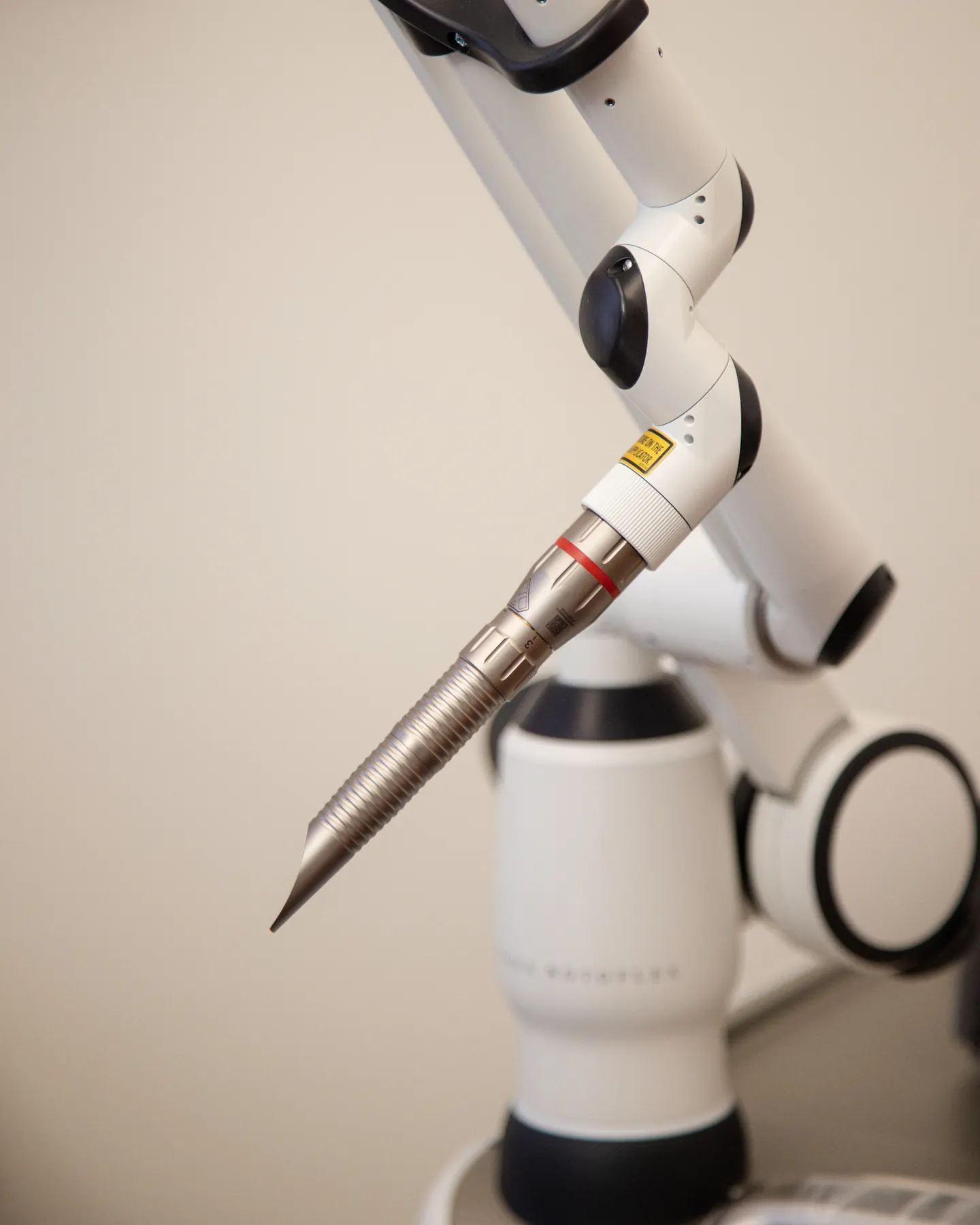
Interest in laser-based aesthetic treatments has grown steadily in Encino, and for good reason. Patients are looking for meaningful skin and tissue improvement without the long recovery associated with surgery, and experienced practices are responding with more sophisticated platforms. Among the names that comes up often in this space is Fotona. If you have been researching Fotona Laser Treatments Encino, CA, it helps to understand that this is not one single procedure. Fotona refers to a laser platform with multiple treatment modes, each designed for a different concern, from skin texture and laxity to acne scarring, vascular redness, snoring support, and certain intimate wellness treatments.
That distinction matters because expectations are often shaped by marketing shorthand. Someone hears “Fotona laser” and assumes there is a universal experience, one setting, one recovery timeline, one result profile. In practice, the experience can vary quite a bit depending on whether the treatment is non-ablative, lightly resurfacing, deeper resurfacing, intraoral collagen stimulation, or a combination protocol. Good results come less from the device name alone and more from how thoughtfully the technology is matched to the patient.
Encino is a particularly interesting market for this category of care. Patients here tend to be informed, busy, and exacting. They want treatments that fit professional schedules, produce visible improvement, and avoid the “overdone” look. That makes Fotona appealing because it offers graduated options. A practitioner can often design a plan that starts conservatively and intensifies only if the skin, goals, and downtime tolerance justify it.
What makes Fotona different from a generic “laser facial”
The simplest way to think about Fotona is that it is a versatile laser system rather than a one-note treatment. The platform commonly uses two wavelengths, Er:YAG and Nd:YAG, each behaving differently in tissue. One is particularly useful for controlled resurfacing and polishing of the skin surface. The other can penetrate more deeply and is often used for collagen stimulation, vascular concerns, and tissue tightening.
That versatility is where much of the value lies. In a strong clinical setting, these wavelengths can be layered in the same visit or across a treatment series. A patient with early laxity, mild textural change, and uneven tone may not need a deep resurfacing treatment. Instead, they may benefit from a sequence that targets deeper collagen first and then addresses the surface. Another patient with acne scarring and rough texture may need a more assertive resurfacing approach. Same platform, different strategy.
This matters because many people shopping for treatments compare devices as if they were interchangeable brands. They are not. Two offices can both advertise Fotona Laser Treatments Encino, CA and deliver very different experiences based on settings, treatment protocol, pretreatment evaluation, and provider judgment. In experienced hands, the platform can be finely tuned. In less thoughtful use, even a high-quality device may produce mediocre results simply because the treatment plan was too generic.
The concerns Fotona is often used to treat
One reason the platform has developed such a strong reputation is its range. Patients often come in asking about “skin tightening,” but that phrase covers several separate issues. Is the problem laxity around the jawline, crepey skin under the eyes, rough texture on the cheeks, etched lines around the mouth, post-acne irregularity, enlarged pores, or diffuse redness? These are not the same thing, and they rarely respond equally to one method.
Fotona protocols are commonly used for concerns such as fine lines, early skin laxity, dull texture, superficial pigment irregularity, acne scars, enlarged pores, and certain vascular presentations. Some practices also offer specialized treatments like lip rejuvenation, non-surgical support for snoring, and vaginal rejuvenation or stress incontinence support using specific Fotona modes. Those uses should always be discussed carefully and individually because candidacy, expected outcomes, and evidence can vary by indication.
The practical advantage for the patient is that a provider does not have to force every problem into the same treatment box. If your main issue is texture with some pigment, your plan can look different from someone whose chief complaint is a tired lower face or crepey neck skin. That degree of customization is one of the biggest reasons patients seek out this platform specifically.
Why patients in Encino are drawn to it
The Encino patient population often wants improvement that reads as healthier skin rather than obviously “treated” skin. Many are balancing meetings, school pickups, social events, gym schedules, and time-sensitive work demands. They do not always want a week or two of hiding at home, yet they still want change they can see.
Fotona fits that middle ground well because it can be adapted along a spectrum. A lower-intensity treatment may create only mild redness and a short recovery, while a more aggressive resurfacing session may require several days of visible healing. That flexibility can be a major advantage over treatments that are either too mild to justify the investment or so intense that people postpone them indefinitely.
There is also the issue of cumulative maintenance. In real life, most aesthetic treatment is not a one-time event. It is a long game. Sun exposure, collagen loss, hormonal shifts, stress, and genetics keep moving the target. A platform that allows maintenance touch-ups, seasonal adjustments, and staged improvement tends to fit better into the routines of patients who want sustainable skin quality instead of one dramatic but hard-to-repeat intervention.
What a consultation should actually cover
A strong consultation is rarely glamorous. It is detailed, sometimes a little technical, and that is exactly what you want. When evaluating Fotona Laser Treatments Encino, CA, the most important part of the process often happens before the laser is ever turned on.
An experienced provider should evaluate your skin type, baseline redness or pigment tendency, medical history, medications, recent tanning, active acne or infection, scarring history, and previous procedures. They should ask what bothers you most, not just what they happen to offer. It is common for patients to point to “lines” when the deeper issue is volume loss, skin laxity, pigmentation, or all three at once. Laser can be useful, but it is not the answer to every aesthetic problem.
This is also where good practices distinguish themselves by saying no, not now, or not this way. If someone has a fresh tan, active melasma instability, isotretinoin use that needs to be reviewed, a history of poor wound healing, or unrealistic expectations, the right next step may be postponement or a different treatment altogether. Caution is not a lack of confidence. In aesthetic medicine, restraint is often a sign of expertise.
The experience during treatment
Patient comfort depends heavily on the exact protocol. Some Fotona sessions feel like quick snaps of heat with tolerable discomfort, while others involve more sustained warmth or a prickling sensation. Topical numbing is commonly used for resurfacing-focused treatments, and some offices add cooling or other comfort measures. A treatment around the mouth, nose, or delicate eye area may feel more intense simply because those regions are more sensitive.
What surprises many first-time patients is how fast some sessions move. A superficial or moderate treatment can be completed in a lunch-hour style appointment, though the total office time is longer once photographs, prep, numbing, and post-care are factored in. Deeper or combined treatments naturally take longer.
There is also an emotional side to treatment that experienced clinicians recognize. Patients tend to tolerate discomfort better when the provider explains what each stage is meant to accomplish. Heat without context feels alarming. Heat with clear communication feels purposeful. The best treatment rooms are calm, efficient, and transparent.
Downtime is not one-size-fits-all
This is where expectations often go off track. People hear “non-surgical” and assume “no downtime.” That is not always true. With Fotona, recovery can range from mild transient redness to several days of swelling, bronzing, dryness, or flaking, depending on intensity and treatment type.
A gentle collagen-stimulating session may leave the skin pink for a day or two, similar to a stronger workout flush or a modest sun-exposed look. A resurfacing session can produce more visible healing, especially if the goal is meaningful textural improvement. In those cases, the skin may feel rough, tight, warm, and dry before it peels or sheds.
This variability is not a flaw. It is part of the treatment design. Stronger intervention usually asks for more recovery. The key is to align the plan with your calendar and your tolerance. If someone has a wedding in four days, a deeper resurfacing treatment is probably poor timing no matter how excellent the technology is.
Results, and when they show up
Another point worth clarifying is timeline. Some patients notice an early “glow” once initial redness settles, but the more important changes tend to unfold over weeks to months as collagen remodeling progresses. Surface smoothing may be visible sooner. Tightening and textural refinement often arrive more gradually.
For this reason, the best providers tend to speak in terms of treatment series and layered progress. A single session may give a noticeable boost, especially for mild concerns, but deeper acne scars, etched lines, and moderate laxity usually require repeated treatments or a combination approach. Anyone promising dramatic one-session correction for every issue is oversimplifying.
There is also the matter of baseline skin condition. A 38-year-old with early sun damage, fair skin, and good collagen reserve may respond quite differently from a 62-year-old with longstanding photodamage, volume loss, and years of cumulative sun exposure. Both can improve, but the treatment plan and pace of visible change may not be the same.
Skin tone, safety, and the importance of judgment
Laser treatment always raises Fotona Laser Treatments Encino, CA questions about safety across different skin tones, and those questions are justified. Darker or more reactive skin can carry a higher risk of post-inflammatory hyperpigmentation with certain laser approaches, particularly if settings are too aggressive or aftercare is poor. That does not automatically rule out treatment, but it does raise the importance of careful device selection, parameter choice, pretreatment preparation, and candid provider counseling.
An office that routinely treats a range of skin types will discuss these risks openly. They may recommend test spots, conservative energy settings, pigment-prep regimens, strict sun avoidance, or postponing treatment if the skin barrier is compromised. These conversations are not meant to scare patients off. They are part of doing the work responsibly.
The same applies to melasma. Laser can sometimes worsen rather than improve this condition if used indiscriminately. If a patient says “I have brown patches and want laser,” the right response is not automatic enthusiasm. It is thoughtful evaluation. Some pigment issues respond well. Others need a more nuanced plan centered on inflammation control and maintenance.
How Fotona compares with other treatment categories
Patients often ask whether Fotona is “better” than microneedling, radiofrequency, IPL, fractional lasers, or surgery. That is not quite the right frame. Better depends on the problem being solved.
Microneedling can be useful for texture and mild scarring, often with a different downtime profile and cost structure. Radiofrequency-based devices may be selected for heating and tightening in specific tissue layers. IPL is often better known for certain redness and pigment concerns, though it is not the same as a true laser. Surgery remains unmatched for significant skin excess or structural lifting. Fotona sits in a versatile middle category because it can target both superficial and deeper concerns in a customizable way.
The practical question is less “Which device is best?” and more “Which approach best matches this face, this skin, this budget, and this tolerance for downtime?” Patients tend to do best when they move past brand shopping and toward problem-oriented planning.
Cost considerations in Encino
Pricing for Fotona Laser Treatments Encino, CA can vary widely, largely because the term can describe very different procedures. A short, lighter session aimed at mild rejuvenation will not be priced like a more intensive resurfacing treatment, and a package of several visits may reduce the per-session cost compared with paying one visit at a time.
Cost should be weighed against treatment density, provider expertise, and expected number of sessions. A lower quote is not automatically better value if it delivers a treatment so conservative that meaningful results never materialize. On the other hand, the highest quote in the market does not guarantee superior care. What you want is clarity. Ask what protocol is being proposed, how many sessions are likely, what recovery looks like, and what results are realistic for your starting point.
There is a pattern many seasoned patients recognize: under-treatment can be as frustrating as over-treatment. Spending repeatedly on minimal improvement often ends up costing more, financially and emotionally, than following a well-planned course from the start.
What aftercare really looks like
Aftercare is not busywork. It is part of the treatment. The skin barrier may be temporarily vulnerable after laser, and how you support it can influence comfort, healing, and final appearance. Most practices emphasize gentle cleansing, bland hydration, strict sun protection, and temporary avoidance of heat, strenuous activity, and irritating skin care products.
Patients who get into trouble often do so because they feel good too soon and resume everything at once. They return to exfoliating acids, retinoids, hot yoga, long runs in direct sun, or heavy makeup before the skin is ready. That is when unnecessary irritation can show up. The skin usually tells the story clearly. If it feels hot, tight, overly dry, or stinging, it still needs a simpler routine.
Here are a few useful questions to ask before booking:
- Which Fotona protocol do you recommend for my specific concern?
- How many sessions do you expect I will need for visible improvement?
- What kind of downtime should I plan for in a normal week?
- Have you treated my skin type and concern combination before?
- What results are realistic, and what limits should I understand upfront?
Those questions tend to produce more useful answers than “Is it painful?” or “Will I look younger?” Comfort matters, of course, but treatment fit matters more.
Who tends to be happiest with this treatment
The happiest Fotona patients usually have a few things in common. They want improvement rather than perfection. They understand that collagen remodeling takes time. They are willing to follow pretreatment and aftercare instructions. Most important, they choose a provider who is comfortable saying what the laser can do, and what it cannot.
People looking for a substitute for a surgical facelift are often disappointed by any non-surgical device if their laxity is advanced. By contrast, patients with mild to moderate early changes often find this category especially satisfying. They see fresher texture, softer lines, a brighter surface, and some tightening without stepping too far away from work or daily life.
Acne scar patients can also do well, but they often need patience. Scarring is layered, and complete erasure is not a realistic promise. What good laser treatment can often deliver is meaningful softening, smoother light reflection, and better overall skin quality. That distinction matters. Improvement can be substantial without being absolute.
A grounded way to think about Fotona in Encino
When patients evaluate Fotona Laser Treatments Encino, CA thoughtfully, they usually arrive at the same basic understanding. The value of the treatment lies in precision, versatility, and provider judgment. This is not a miracle wand, and it is not a generic “laser facial” either. It is a platform capable of subtle to significant change when used strategically.
Encino has no shortage of aesthetic options, which is helpful and also a little overwhelming. The safest path is to ignore hype and focus on fit. What is the specific concern? What level of change are you seeking? How much downtime can you truly manage? Does the provider explain trade-offs clearly? Do they seem more interested in selling a package or in mapping out a treatment plan that makes sense for your skin?
Those are the questions that separate a satisfying laser experience from an expensive guess. When the answers are solid, Fotona can be an excellent choice for patients who want visible refinement with a modern, flexible approach.
OMNIA Wellness Center
Address: 16430 Ventura Blvd Ste 207, Encino, CA 91436
Phone number: +18183868511
FAQ About Fotona Laser Treatments Encino, CA
What is a Fotona laser good for?
A Fotona Laser system is a versatile, dual-wavelength medical laser used primarily for non-surgical skin tightening, anti-aging rejuvenation, and dermatological treatments.
How much does the Fotona laser cost?
The cost of a Fotona laser depends heavily on whether you are looking to purchase a laser machine for a medical practice or are a patient seeking a laser treatment at a medspa.
Is a Fotona laser worth it?
A Fotona laser treatment is generally worth it if you want non-surgical skin tightening, improved texture, and collagen stimulation with very little downtime.