A Beginner’s Guide to Fotona 4D Laser Facial (TimeWalker) in Encino, CA
If you have started noticing that your skin looks a little flatter, less firm, or more tired than it used to, you are not alone. That moment often arrives gradually. Makeup stops sitting the same way. The area around the mouth starts looking heavier. The jawline softens in photos. Many people are not ready for surgery, but they also want more than a basic facial or a light peel can offer. That is where the Fotona 4D Laser Facial, often associated with the TimeWalker platform, tends to enter the conversation.
For patients exploring a Fotona 4D Laser Facial (TimeWalker) in Encino, CA, the treatment can sound both promising and slightly mysterious. It is marketed as a non-surgical rejuvenation option, but that phrase covers a lot of ground. Some treatments labeled “non-surgical” deliver only modest, short-lived results. Others involve enough downtime that the word “lunchtime” feels misleading. Fotona 4D sits somewhere in the middle. It is more advanced than a spa facial, more layered than a single laser pass, and generally gentler than aggressive resurfacing.
The reason beginners often find it confusing is simple. Fotona 4D is not one laser pulse or one single technique. It is a sequence of treatments designed to address texture, tone, laxity, and volume-related changes through different modes. Understanding what it actually does helps set realistic expectations and makes it easier to decide whether it fits your skin, schedule, and goals.
What Fotona 4D actually is
Fotona 4D is a multi-step laser facial treatment that uses erbium and Nd:YAG wavelengths in a planned sequence. The “4D” refers to four dimensions or layers of treatment, each targeting a different aspect of facial aging. Some parts work inside the mouth to tighten tissue and stimulate collagen in areas that are difficult to reach from the surface alone. Other parts heat deeper tissue externally or refine the skin surface.
This combination is a large part of the appeal. Instead of treating only pigmentation, only texture, or only mild sagging, the treatment attempts to improve several visible concerns at once. In practice, that can mean subtle lifting around the cheeks and lower face, smoother skin texture, softening of fine lines, and a fresher overall look.
The TimeWalker name is sometimes used alongside Fotona because TimeWalker is one of Fotona’s aesthetic platforms. Depending on the office and how they describe their services, you may hear “Fotona 4D,” “TimeWalker Fotona 4D,” or “Fotona 4D Laser Facial.” The key point is not the branding language. It is whether your provider is using the appropriate Fotona protocols and customizing them to your skin rather than running the same settings on every patient.
Why people in Encino ask for it
Encino patients often come in looking for something very specific. They want visible improvement, but they do not want to disappear from work or social life for weeks. That tends to rule out the more intense ablative procedures for many first-timers. At the same time, they are often past the point where a hydrating facial or a mild radiofrequency session will feel worthwhile.
That balance is where Fotona 4D finds its audience. It can be a sensible choice for someone in their thirties who is seeing early laxity, or for someone in their forties, fifties, or beyond who wants moderate rejuvenation without surgery. It also appeals to people preparing for events, on-camera work, reunions, or simply a season when they expect to be photographed more often.
The Encino lifestyle matters here too. People want treatments that fit into active, public routines. School pickup, office meetings, lunches on Ventura Boulevard, gym schedules, and weekend plans do not leave much room for prolonged visible recovery. A treatment with mild redness and short downtime is naturally attractive in that setting.
The four parts, translated into plain English
One of the best ways to understand the treatment is to remove the marketing language and describe what each stage is trying to do.
The first phase is often the SmoothLiftin step, which is performed inside the mouth. That surprises many patients the first time they hear it. The laser is used intraorally, usually along the cheeks and around the mouth, to heat tissue from within. The goal is collagen remodeling and soft tissue tightening, especially in areas that contribute to nasolabial folds and perioral aging. It sounds unusual, but many experienced laser patients say this is what makes Fotona 4D feel distinct from standard surface treatments.
The second phase usually involves a fractional or skin-tightening step that targets deeper tissue from the outside. This stage is designed to improve firmness and support. It is not a facelift, and it should never be sold as one, but it can create a modest tightening effect in the midface and lower face.
The third phase often focuses on controlled heating to encourage further collagen stimulation. This is the part that contributes to gradual improvement over the following weeks and months. Laser rejuvenation frequently rewards patience, and this phase is one reason why.
The final phase is a light resurfacing or polishing step. This is where many patients notice smoother texture, a refined look to pores, and a brighter skin finish. That polished effect can appear earlier than the deeper collagen changes, which is one reason people sometimes feel encouraged by the treatment before the full result arrives.
Who tends to be a good candidate
The best candidate is not always the person with the most severe aging changes. Fotona 4D tends to work well for mild to moderate laxity, early jowling, texture changes, fine lines, and skin that has lost some bounce. It can be particularly appealing for those who want noticeable refreshment without committing to injectables or surgery right away.
Good candidates usually include people who understand two things. First, results are real but typically subtle to moderate, not dramatic. Second, more than one session may be needed. Someone expecting a one-time treatment to erase years of volume loss or advanced sagging will probably be disappointed.
It may also suit patients who are cautious about fillers. There is a growing group of patients who want their face to look tighter and smoother but not fuller. Since this treatment primarily works through tissue heating and collagen stimulation, it offers a different aesthetic path. It is not a replacement for filler when true volume loss is the main issue, but it can be a very good option when the goal is refinement rather than augmentation.
When it may not be the right fit
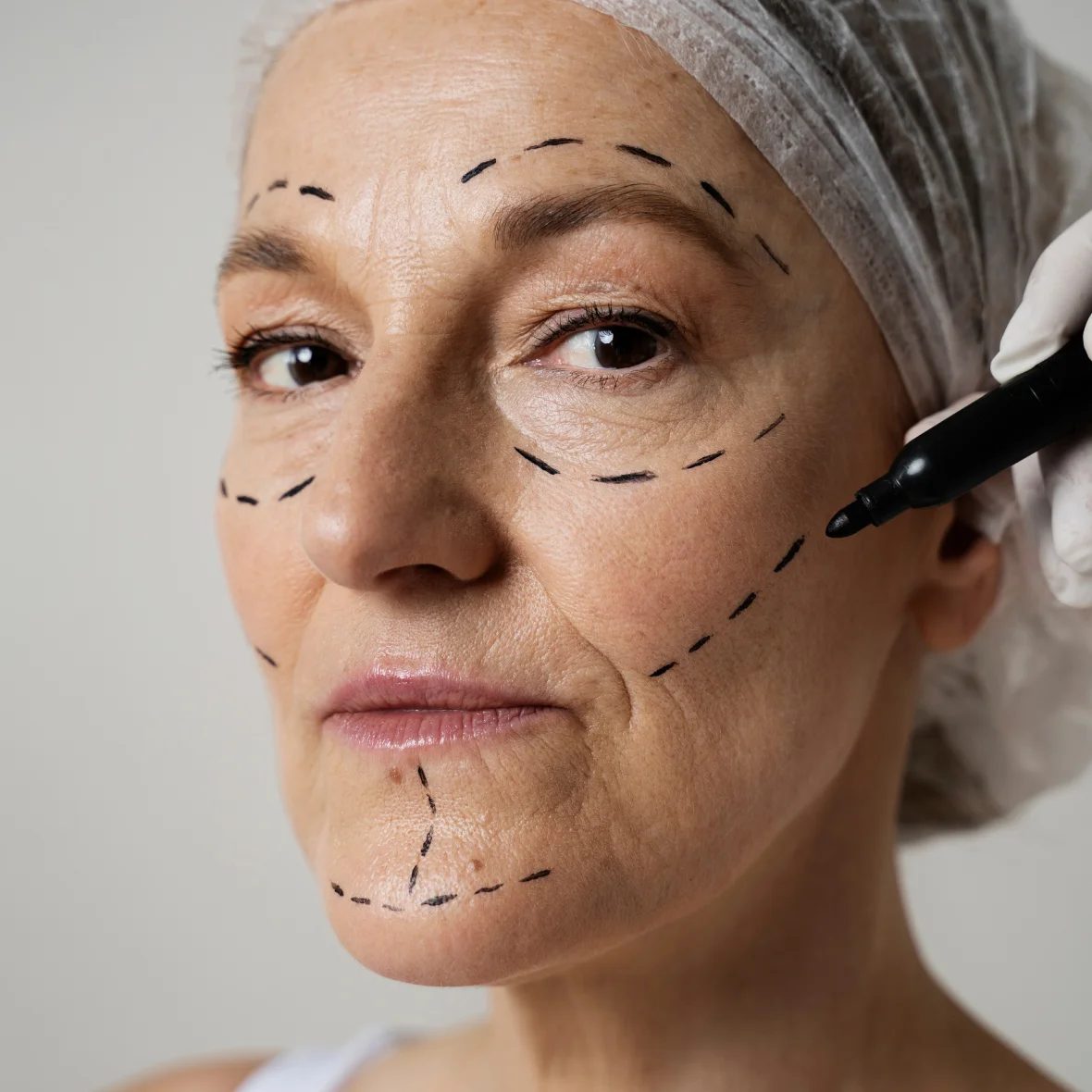
This is where careful consultation matters. If you have heavy skin laxity, significant jowling, or a neck that has changed substantially, a Fotona 4D Laser Facial may help somewhat, but it is unlikely to match the improvement from surgery or a stronger treatment plan. A responsible provider should say that plainly.
It may also not be ideal if your biggest concern is deep acne scarring, advanced sun damage, or pronounced pigment irregularities that would respond better to a different type of resurfacing protocol. Some patients also need a combination approach. For example, they may benefit from neuromodulators for expression lines, laser for texture, and perhaps a little filler for structural support. Good aesthetic care is rarely about forcing Fotona 4D Laser Facial (TimeWalker) Encino, CA one treatment to solve every concern.
Patients with active skin infections, certain inflammatory skin conditions, or recent tanning may need to postpone. Those with a history of abnormal scarring, certain medications, or a tendency toward post-inflammatory pigment changes should have a very thorough evaluation first.
What a real appointment usually feels like
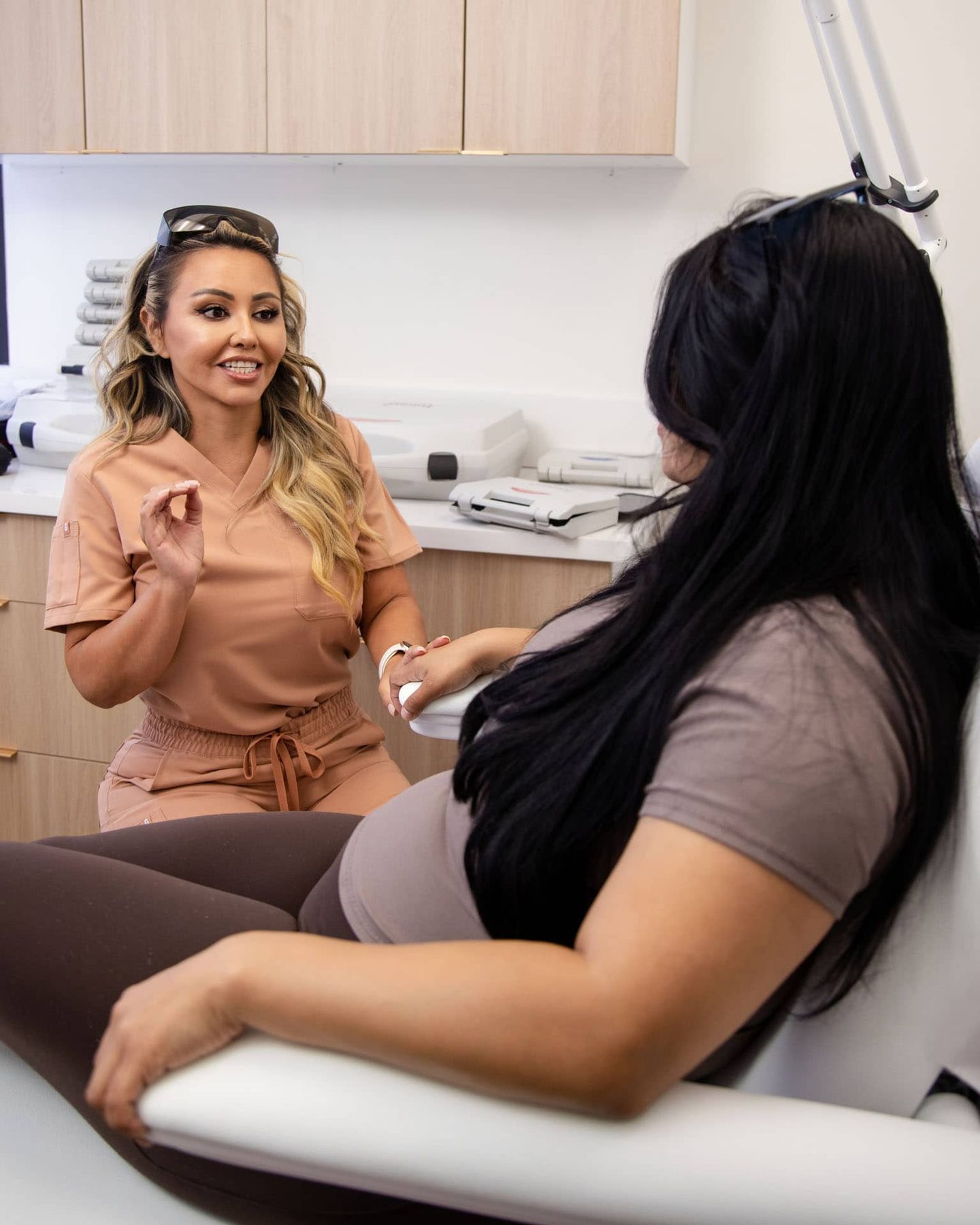
The first-time experience is often less intimidating than people expect. Most offices start with photographs, skin assessment, and a review of goals. If the consultation is thoughtful, the provider will ask what bothers you most when you look in the mirror. That matters because someone focused on mouth lines needs a different treatment emphasis than someone focused on cheeks or jawline.
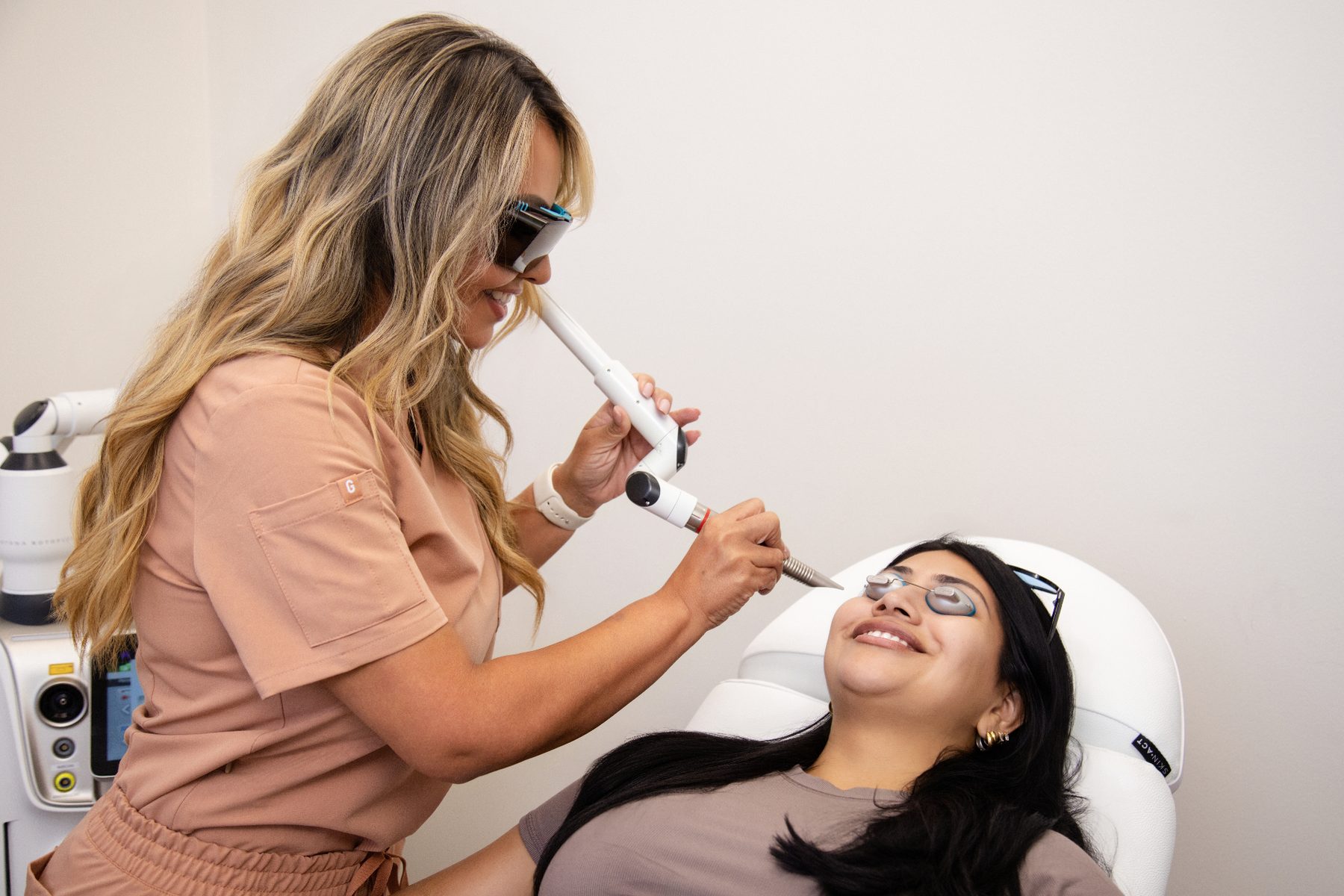
Topical numbing may or may not be used, depending on the protocol and your comfort level. Protective eyewear is standard. The intraoral step can feel unusual, mostly because it is not something people have experienced before. Patients often describe it as warmth with a snapping or prickling sensation, not exactly painful, but definitely noticeable. The external passes vary from warm and tolerable to moderately intense in certain areas, especially closer to the jawline or around thinner skin.
A full session can take roughly 45 minutes to over an hour, depending on how comprehensive the treatment is. Some offices move efficiently. Others take more time, especially if they are combining the session with adjunctive care or tailoring settings carefully.
The immediate aftereffect is usually redness and warmth, similar to a sun-exposed flush. Some people swell mildly, especially around the cheeks or under-eye area. That often settles within a day or two. Makeup may be possible relatively soon, but your provider will tell you when it is safe based on the exact settings used.
What the recovery really looks like
This is one area where patient expectations need fine-tuning. “No downtime” is not always the right phrase. “Low downtime” is usually more honest.
Many people return to normal routines quickly, but that does not mean the skin looks identical by evening. It may look flushed, feel dry, or have a lightly sandpapery texture for several days if a resurfacing component was used. Some patients get a mild bronzed look before the skin brightens. Others notice temporary tightness or sensitivity.
If you are planning treatment before a wedding, holiday party, family photos, or an important work event, it is wise to leave a cushion of time. In my experience, a week is a comfortable margin for first-timers, even if many people look socially presentable sooner. It is always better to enjoy your result than to spend the first few days wondering whether the redness will fade in time.
The results timeline most beginners should expect
This treatment does not behave like a filler, where the volume change can be obvious immediately. Fotona 4D unfolds in phases. Early on, some people notice a fresher surface, a brighter complexion, and a mild tightening sensation. Then there is often a quieter period when the skin simply looks rested. The more meaningful collagen-related changes tend to build over several weeks and continue evolving for a few months.
That delayed payoff is common with collagen-stimulating treatments. It is also why package recommendations are so common. A single session may provide a nice boost, especially before an event, but a series generally produces more consistent and visible improvement.
A fair expectation for many patients is that they will look like a better-rested version of themselves. Friends may say you look good without pinpointing why. Skin may feel firmer, lines may soften, and the lower face may look a little cleaner. If you are expecting dramatic lifting, you are looking at the wrong category of treatment.
Questions worth asking at your consultation
You do not need to become a laser physicist to be a smart patient, but a few practical questions can save you from disappointment.
- Ask which concerns the provider believes Fotona 4D can realistically improve for your face.
- Ask how many sessions they usually recommend for someone with your degree of laxity or texture change.
- Ask what downtime is typical in their own practice, not in marketing materials.
- Ask whether they have before-and-after photos of patients with similar skin tone and similar concerns.
- Ask what alternatives they would suggest if you were not a good candidate.
These questions do two things. They help you understand the treatment, and they reveal how candid the practice is. Strong providers are rarely defensive about limitations. They know that trust matters more than a single booking.
Cost in Encino, and why pricing can vary
Pricing for a Fotona 4D Laser Facial (TimeWalker) in Encino, CA can vary quite a bit based on the provider’s experience, the exact protocol, the area treated, and whether you are paying for a single session or a series. It is common in aesthetic medicine for the same branded treatment to be priced very differently from one office to another.
That does not always mean one office is overcharging or another is cutting corners, but it should prompt questions. Some practices include physician oversight, advanced imaging, longer appointments, and highly customized settings. Others delegate heavily or use abbreviated versions of the protocol while marketing it under the same umbrella name.
The cheapest quote is not necessarily the best value if the treatment is rushed, underpowered, or poorly matched to your skin. On the other hand, the highest quote is not automatically justified either. What matters is expertise, transparency, and whether the treatment plan actually fits your goals.
Skin tone, safety, and the importance of customization
Not every laser is equally forgiving across all skin tones, which is why laser experience matters so much. Fotona devices can be used safely in a range of skin types, but safe treatment depends on the right settings, the right indications, and careful assessment before treatment. Providers should ask about tanning, melasma history, previous reactions to lasers, and your tendency to pigment after irritation.
This is especially important in sunny areas like Southern California, where even diligent patients can have more incidental UV exposure than they realize. Someone who spent a recent weekend hiking, playing tennis, or sitting poolside may not think of themselves as “tanned,” but the skin can still be more reactive. Good laser care is often less about the machine itself and more about the restraint and judgment of the person using it.
How it compares with a few common alternatives
Fotona 4D often gets cross-shopped with microneedling, RF microneedling, light resurfacing lasers, and injectables. Each option has strengths. Microneedling can be excellent for texture and mild scarring, but it does not necessarily deliver the same tissue-tightening profile. RF microneedling can be very effective for tightening and acne scars, though downtime and comfort vary widely. Fillers restore volume well, but they do not resurface skin. Neuromodulators soften expression lines, but they do not meaningfully improve laxity.
Fotona 4D can occupy a useful middle ground. It is attractive for people who want a broader rejuvenation treatment that touches multiple layers at once. Its weakness is that it is not the absolute strongest option in any one single category. That is the trade-off. Breadth and finesse instead of Fotona 4D Laser Facial (TimeWalker) Encino, CA OMNIA Wellness Center a dramatic one-note result.
Aftercare that actually matters
Aftercare does not need to be complicated, but it does need to be consistent. Laser-treated skin rewards gentleness. Overloading it with active ingredients right away is a common mistake, especially among patients who already use retinoids, acids, or exfoliating pads at home.
For the first several days, a bland moisturizer, gentle cleanser, and strict sun protection usually do more good than an elaborate routine. Heat exposure can also be an issue immediately after treatment. Hard workouts, saunas, and steam rooms may need to wait briefly, depending on how reactive your skin is and what your provider advises.
The basics are not glamorous, but they are what protect your result. A beautifully performed laser treatment can be undermined by sun exposure, picking at rough texture, or jumping back into strong skincare too quickly.
A note on maintenance
One of the more honest ways to think about Fotona 4D is as part of a maintenance strategy, not a one-time fix. Faces continue to age. Collagen continues to decline. Sun exposure, sleep, stress, and hormonal shifts all keep influencing the skin.
That is not bad news. It just means the best outcomes usually come from a plan. Some people do a short series, then maintain with periodic sessions once or twice a year. Others combine it with skincare and occasional injectables. The exact approach depends on age, goals, budget, and how aggressively someone wants to treat change as it appears.
Patients who are happiest long-term are usually the ones who choose a realistic cadence rather than chasing dramatic results from a single appointment.
Choosing the right provider in Encino
If you are considering a Fotona 4D Laser Facial (TimeWalker) in Encino, CA, the provider matters at least as much as the device. A laser platform is only a tool. Skill lives in the consultation, in patient selection, in settings, in safety, and in restraint.
Look for someone who explains what they see in your face rather than reciting a sales script. Notice whether they discuss alternatives. Pay attention to whether they seem interested in a natural result or simply in selling a package. A strong consultation often feels specific. It addresses your skin, your features, your timeline, and your tolerance for downtime.
That specificity is usually a good sign. So is honesty. If a provider tells you that you may love Fotona 4D for skin quality but still need something else for volume or deeper lifting, that is not a drawback. It is often the mark of someone who understands aesthetic medicine in a practical, patient-centered way.
For beginners, that is the real starting point. Not the machine name, not the buzzwords, and not the before-and-after collage on social media. The right treatment begins with a clear diagnosis of what is actually changing in your skin and what level of improvement will genuinely make you happy. When Fotona 4D is used for the right patient, by the right hands, with the right expectations, it can be a very worthwhile step between basic facials and more invasive procedures.
OMNIA Wellness Center
16430 Ventura Blvd Ste 207, Encino, CA 91436
Phone: +1 818-386-8511
FAQ About Fotona 4D Laser Facial (TimeWalker) Encino, CA
What is a Fotona laser good for?
Fotona lasers support several different aesthetic protocols. The Fotona 4D facial uses two wavelengths and four treatment modes to address concerns such as fine lines, skin texture, and mild laxity. OMNIA Wellness Center offers the TimeWalker facial with an individual consultation. Suitability and likely improvement depend on the person's skin and goals; results are not guaranteed, and this treatment does not reproduce a surgical facelift.
How much does a Fotona laser treatment cost?
The cost depends on the treatment protocol, areas treated, number of sessions, and provider's assessment. Ask OMNIA Wellness Center for a current written quote that explains what is included, whether follow-up is included, and any proposed package terms. An individualized estimate is more useful than assuming that one advertised price applies to every facial treatment.
How much downtime is there after a Fotona laser procedure?
Recovery varies with the specific protocol and intensity. Fotona describes its 4D facial as having little to no downtime, but temporary redness or sensitivity can occur, and a stronger surface treatment can require more recovery. Ask the treating clinician what to expect from the planned settings, how to care for the skin afterward, and when to contact the clinic with concerns.